

K&N GEMS : ค้นหาหนังสือธรรมะ หน้า 347 / 370
หน้าหนังสือทั้งหมด
3
The Buddha’s First Teaching
A Dhammakaya Foundation paperback
First edition 2002
Published by the Dhammakaya Foundation
Department of International Relations
23/2 Moo 7., Khlong Sam, Khlong Luang,
Patumthani 12120
Thailand
Tel.
This book, published by the Dhammakaya Foundation, delves into the core teachings of Buddhism as explicated by Phrabhavanaviriyakhun (Phadet Dattajeevo). The text provides an in-depth analysis of the
6
The Awakening of Siddhartha Gotama
people see the signs of receding youth and health and respond with disgust, especially at the sight of a corpse. Siddhatha Gotama’s witness of these events was different, however. Confronted by the in
This text delves into the insights of Siddhartha Gotama as he confronts the inevitable realities of old-age, sickness, and death. Rather than succumb to despair, he considers life like a battle where
7
The Journey of Siddhartha Gotama Towards Enlightenment
he, himself, didn’t engage in the battle against delusion, there would be no-one else to do it in his place. Thus with anxiety, *not only* for his own lot in life, *not only* for the lot of his family
This text delves into Siddhartha Gotama's profound realization that if he did not confront the battle against delusion, no one would. Motivated by anxiety for himself, his family, and all beings trapp
9
Buddhism in Plain English: A Practical Approach
above — delusion, renunciation and the Buddha’s previous meditation experience — before embarking on the remainder of this book.
Finally, it should be mentioned that the aim of books in the 'Buddhism
This book aims to make Buddhist scriptures accessible to beginners by presenting them in plain English while maintaining accuracy. It provides Pali terminology alongside translations and encourages re
10
Exploring the Dhammacakkapavattana Sutta and the Four Noble Truths
Contents
Author's Preface ............................................................................................................... 9
1 Overview ................................................
This text delves into the Dhammacakkapavattana Sutta, highlighting its key teachings on the paths of sensual indulgence and self-mortification, and emphasizes the Middle Way. The content covers the Fo
11
The Noble Truths of Suffering
4 The Noble Truth of Suffering ........................................... 57
Every Living Being is a Victim of Suffering 57 • Suffering as a result of
Birth 58 • The Suffering of Internment in the Wo
เนื้อหาเกี่ยวกับสัจธรรมทั้งสี่ซึ่งกล่าวถึงทุกข์และวิธีการดับทุกข์ในศาสตร์ของพุทธศาสนา รวมถึงอธิบายความสำคัญของการเข้าใจทุกข์และการพึ่งพาไม่ให้จิตใจเสพติดความสุขชั่วครั้งชั่วคราว การบรรลุถึงสภาวะนิพพาน
12
The Noble Eightfold Path: Key Concepts and Insights
7 The Noble Truth of the Path to the Cessation of Suffering .................... 117
The Noble Eightfold Path 117 • Right View 118 • Right Intention 118 • Right Speech 118 • Right Action 118 • Right L
The Noble Eightfold Path is a fundamental Teaching of Buddhism aimed at overcoming suffering. It consists of eight essential practices: Right View, Right Intention, Right Speech, Right Action, Right L
15
Understanding the Dhammacakka Pavattana Sutta
be practised by anyone, giving access to the highest attain- ments — even attainments on a par with that of the Lord Buddha himself.
That the Buddha was able not only to understand Dhamma teachings, b
The Dhammacakka Pavattana Sutta serves as the foundational teaching of Buddhism, delivered by the Buddha to the group of five monks. It encapsulates essential principles that are crucial for anyone wi

20
The Journey of Enlightenment: The Buddha's Reflections
1
Overview
Introduction
After the Enlightenment which transformed Siddhartha Gotama into the Lord Buddha beneath the Bodhi tree on the banks of the River Nerañjāra, Bodhgavā on the full moon night of
After achieving Enlightenment under the Bodhi tree, the Buddha spent 28 days in contemplation to absorb the bliss and understand the Dhamma. With encouragement from Brahmā Sahampati, he decided to sha
22
Understanding the Dhammacakkapavattana Sutta
For as long as the components were separated, they could not be called a wheel. Just as, a skilled wheelwright can assemble the components to make a strong wheel ready to be put to work, the Buddha, t
The Dhammacakkapavattana Sutta marks the first sermon of Buddha, articulating the foundational teachings that guide practitioners towards liberation. This sermon, unique in its singular delivery, enca
24
The Path of Self-Mortification in Buddhism
2. The Path of Self-Mortification
According to the Buddha, the practice of self-mortification [attakilamathānuyoga] is fruitless. He said that it is not a practice in keeping with the tenets of Buddhi
In Buddhism, the practice of self-mortification is deemed fruitless by the Buddha. He elucidates that these practices, such as lying on thorns and severe fasting, do not genuinely rid individuals of d
25
The Middle Way: A Path to Liberation
3. The Middle Way
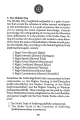
The Middle Way [majjhima paṭipadā] is a path of practice that avoids the extremes of either sensual indulgence or self-mortification. It is a path of practice that is conducive to ta
The Middle Way [majjhima paṭipadā] serves as a balanced path in Buddhism, steering clear of both sensual pleasures and self-mortification. This approach is aimed at tempering the mind, achieving supre
28
Insights into the Three Cycles and Twelve Components of Suffering
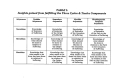
TABLE I:
Insights gained from fulfilling the Three Cycles & Twelve Components
| Ariyasacca | Dukkha Ariyasacca | Samudya Ariyasacca | Nirodha Ariyasacca | Nirodhagamini Patipada Ariyasacca |
| ---
This table outlines insights into suffering through the lens of the Four Noble Truths in Buddhism. Each Ariyasacca component provides a deeper understanding of suffering, including its existence, orig
29
The Enlightenment of Koṇḍañña
his Enlightenment for the benefit of the ‘Group of Five’ — Enlightenment that is supreme in the human world, angel world, Māra-world, Brahmā-world, animal-world, world of monks, world of brahmins, wor
This text discusses the pivotal moment when Koṇḍañña achieved enlightenment after listening to the Buddha’s teachings, recognizing the nature of arising and cessation within himself. The earth-sprites
37
The Dangers of Sensual Indulgence
If it happens that his wealth is taken away in taxes, or stolen by robbers, or damaged by fire or floods, or frittered away by fraudulent enemies then that person will be sorrowful, suffering in body
This text discusses the sorrow and suffering resulting from the attachment to wealth and sensual pleasures, highlighting that these attachments can lead to fights and wars among various social groups.
38
The Consequences of Attachment to Sense Pleasure
O! Monks! Some warriors go to the trouble to erect defences of brick and mortar to stop their enemies being able to climb over, they fill their arsenals full of weapons. However, if the enemy should p
This text discusses how attachment to sense pleasures leads to various forms of suffering and wrongdoing. It illustrates the consequences of indulgence, including violence and crime, and emphasizes th
40
The Futility of Self-Mortification
Commentorial Metaphors: Self-mortification:
1. Sugar-cane juice and poison: It can be compared to a mixture of sugar-cane juice and poison. In the end such practices will lead to death, and all for no
This text presents a series of metaphors illustrating the perils of self-mortification. Comparing self-harm to poison, stale excrement, and dangerous leaps, it highlights the futility of such practice
42
The Noble Eightfold Path and the Factors of Enlightenment
kings must accept with obeisance. This is because the Noble Eightfold Path is a supreme and noble practice.
2. A Wide Ocean: It can be compared to the wide ocean into which all rivers must flow. The
The Noble Eightfold Path is presented as a supreme practice in Buddhism, comparable to a vast ocean into which all rivers flow, embodying the essential Factors of Enlightenment. It comprises the Four
43
Understanding the Noble Eightfold Path
Noble Eightfold Path is the most auspicious of all the virtuous teachings of the Lord Buddha.
4. A Wish-fulfilling Jewel: It can be compared to a wish-fulfilling jewel of eight facets.
5. The Chariot
The Noble Eightfold Path is central to Buddha's teachings, likened to a wish-fulfilling jewel. It consists of eight components: Right View, Right Intention, Right Speech, Right Action, Right Livelihoo
44
Understanding Right Intention and Right Speech in Buddhist Practice
subtle defilements¹ [anusaya].
2.1 Right Intention (mundane): At low level Right Inten- tion means having the wholesome intention to be generous, keep the Five Precepts, renounce the world to become a
This text discusses key aspects of Buddhist practice, specifically focusing on Right Intention and Right Speech. Right Intention involves having wholesome intentions such as generosity and the desire